

12 Things Support Workers Wish the NDIS Understood
Support work is complex, skilled and deeply human. Here are 12 things many support workers wish were better understood about the realities of doing this work within the NDIS.
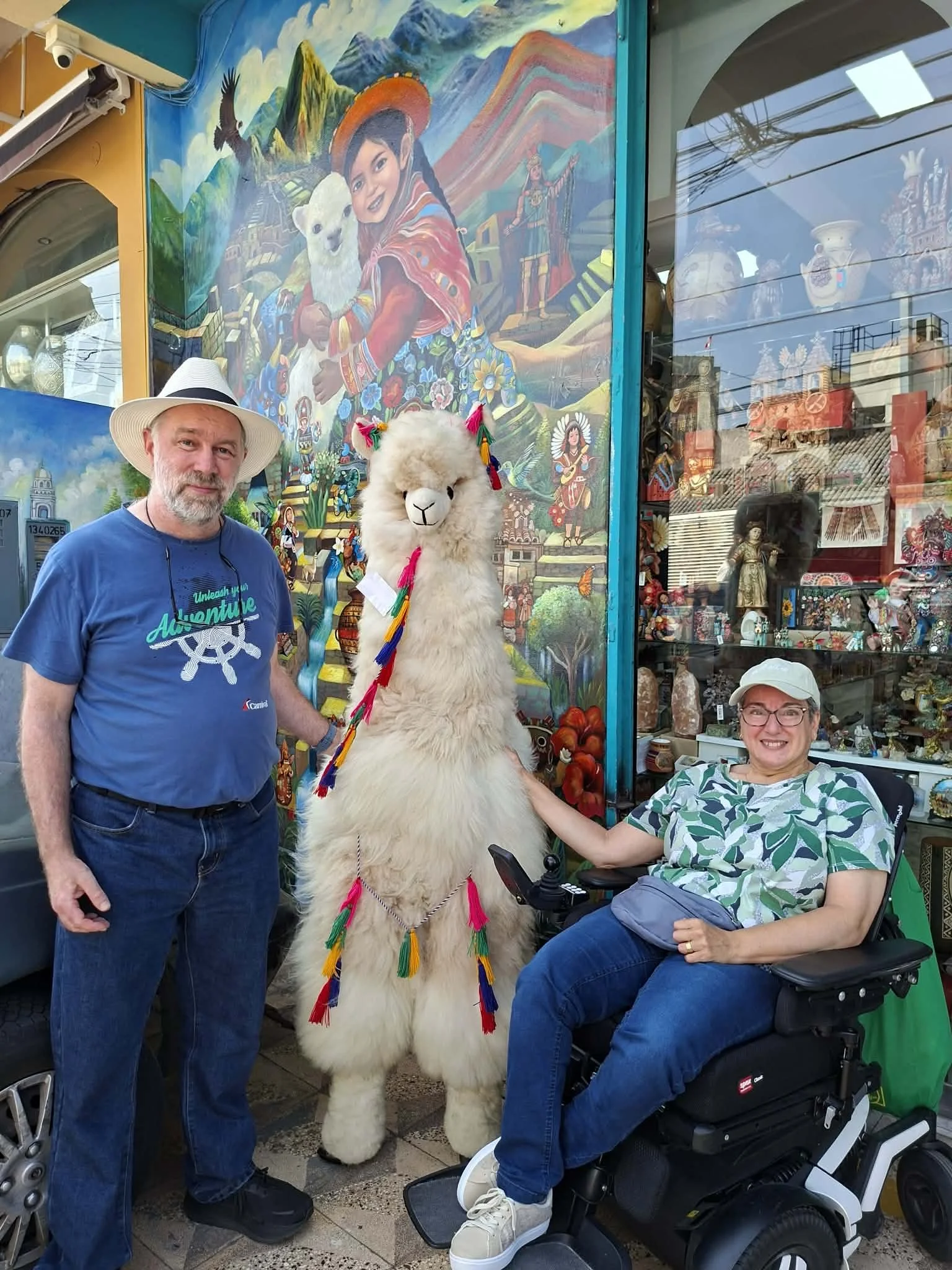
Travelling the World by Wheelchair: Access, Choice and Adventure
Travelling the world by cruise ship gave Martha a front-row view of accessibility across different countries - and a deeper appreciation of choice, independence and considered risk. In this reflection, she shares what she learned along the way, including an important message for support workers: follow the lead of the person you are supporting.

What would change if support workers had somewhere safe and steady to turn?
Support workers are doing complex, skilled and deeply human work in a changing sector. But many are carrying uncertainty alone. This reflection from Carly explores what could change if support workers had somewhere safe, steady and trusted to turn - for workers, participants, families, providers and the future of quality support.

Why Community Participation Supports Matter: SWAA Responds to Recent NDIS Reform Announcements
Recent proposed changes to NDIS community participation funding have created uncertainty across the disability sector. SWAA shares its perspective on what these reforms may mean for participants, support workers, and inclusion in community life.

NDIS reform is landing on the frontline. Here’s what support workers need to know.
NDIS reform is changing expectations around quality, safety, documentation and accountability. Support workers should not be left to guess what that means on shift.

NDIS Registration Reform: What Unregistered Providers Should Be Considering Now
Registration reform is not a reason to panic. But it is a reason to prepare.
The NDIS registration landscape is changing.
For unregistered providers, especially those delivering personal care, mealtime support, in-home daily living support, high-intensity supports, Supported Independent Living-style supports, or platform-based supports, the next phase of reform deserves careful attention.

Your Safety Matters: What Support Workers Need to Know About the New Healthcare and Social Assistance Code of Practice
Support work is meaningful-and demanding. The new Healthcare and Social Assistance Code of Practice (2026) recognises the real risks workers face and sets clearer expectations for safer workplaces. Here’s what it means in practice.

What Happens in Mentoring (and Why It Helps More Than You Think)
Mentoring isn’t about being “fixed.”
It’s about having a calm, skilled space to think clearly - especially when you’re carrying a lot.

The Invisible Load of Support Work.
We’re talking about the weight no one sees - the invisible load. The emotional weight. The mental load. The second-guessing. The blurred boundaries. The “I’ll just push through” mentality.

Support Work Is a Profession. Here’s Why SWAA Membership Matters
Support work is some of the most important work in the country. It asks a lot of people - emotionally, practically and professionally - and yet too often, the role is still underestimated.
Across disability and ageing, the sector is under pressure. Workers are stretched. Employers are doing their best in a system that often makes consistency and retention harder than they should be. And too many support workers are still expected to carry all of that without the recognition, connection or professional backing they deserve.
That is why SWAA exists.
The Support Worker Association of Australia was built to strengthen the profession of support work - by backing workers, supporting good employers, and helping raise the standard and standing of the sector over time.